How does non-contact measurement differ from traditional contact methods?
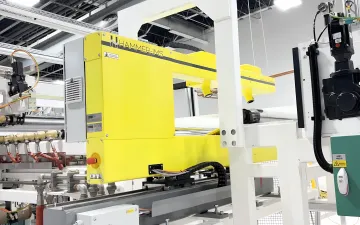
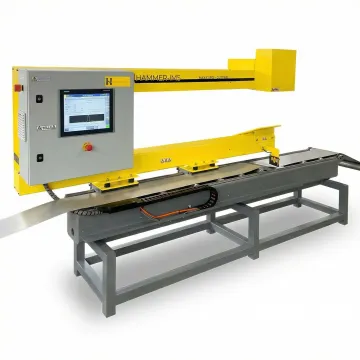
Non-contact measurement uses millimeter wave technology to measure thickness without physically touching the material. This eliminates production interruptions, prevents surface damage, enables measurements at high line speeds up to 500 m/min, and allows measurement of materials at elevated temperatures directly from extrusion processes.
What materials can M-Ray technology measure?
M-Ray technology measures plastics (PE, PP, PMMA, PC), construction materials (MDF, OSB, plywood, mineral wool, gypsum board), textiles and nonwovens, paper products, and composite materials—regardless of color, transparency, or filler content. The technology can see through opaque materials and detect hidden layers.
Why is M-Ray technology considered 'clean' compared to alternatives?
M-Ray uses millimeter wave electromagnetic radiation—the same type used in cell phones—making it completely non-nuclear and non-radioactive. This eliminates hazardous material licensing, radiation safety protocols, regulatory compliance burdens, and access restrictions, allowing all personnel to work near the measurement systems 24/7.
What measurement accuracy can I expect?
Hammer-IMS systems deliver precision thickness measurements with performance meeting international standards. Multi-sensor platforms enable adjusted thickness values of approximately -5% according to industry standards, with uniform cross-machine coverage that reduces production thickness margins and material waste.
Can the systems integrate with existing production lines?
Yes. Hammer-IMS offers both turnkey installations for new lines and upgrade solutions for existing production environments. Our systems provide real-time feedback to production processes with closed-loop adjustment capabilities, data logging, and Industry 4.0 connectivity through our IoT monitoring application.
What line speeds and measurement rates are supported?
Our systems support production line speeds up to 500 meters per minute with measurement rates up to 3 KHz. The high measurement frequency enables detection of rapid variations and anomalies even in highly dynamic manufacturing environments.
How does the multi-sensor approach benefit my production?
Multi-sensor heads provide increased cross-machine coverage, detecting local deviations that correspond to individual components like extrusion screw bolts. This comprehensive view enables uniform sheet coverage, tighter quality control, and identification of issues that single-sensor systems miss—a capability unique to Hammer-IMS in the market.
What support do you provide for international customers?
Hammer-IMS serves customers globally with dedicated regional support teams. We offer 30-minute introductory demos, comprehensive installation support, turnkey system implementation, and ongoing technical assistance. Our international presence includes operations in Belgium, Germany, France, Netherlands, Australia, and Japan.