Quality issues don’t usually show up as major failures; they start as tiny shifts no one notices. A slight texture change. A coating gap just outside tolerance. A label drift that slips past a tired inspector. Research shows manual inspectors miss 20–30% of defects even under ideal conditions, which is why so many plants are moving to advanced vision inspection systems.
These systems catch subtle variations in real time and help teams prevent scrap before it builds. In this guide, we break down what advanced vision inspection systems are, how to choose the right one, and where they make the biggest impact on day-to-day production.
Key Takeaways:
Real-Time Quality Control: Advanced vision inspection systems help manufacturers detect subtle defects immediately, reducing scrap and improving process stability.
Designed for Demanding Production: Ideal for wide webs, textured materials, coatings, and high-speed lines where manual checks or basic cameras fall short.
More Than Imaging: Modern platforms analyze, classify, and trend changes in real time, turning visual data into actionable process insights.
Smart Selection Matters: Choosing the right system, software, and integration approach can significantly reduce rework, operator load, and quality drift.
Hammer-IMS Advantage: Hammer-IMS delivers AI-driven vision inspection combined with non-nuclear measurement and Connectivity 3.0 for a robust inline quality control solution.
What Are Advanced Vision Inspection Systems?
Most manufacturers already use cameras somewhere on the line, but advanced vision inspection systems are a different category entirely. They don’t just capture images; they interpret them.
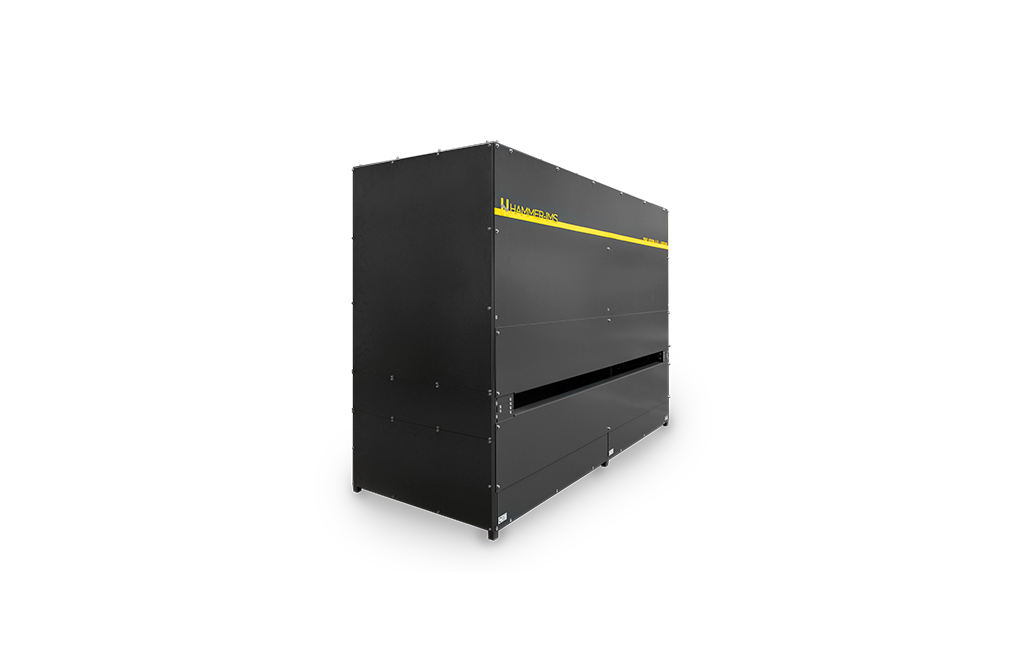
Instead of acting as a simple “pass/fail” check, they become a continuous quality layer that tracks defects, trends, and process drift as the product moves through the line. This shift gives teams earlier warnings, cleaner data, and far more control over yield and consistency.
The advantages below explain why advanced vision inspection systems are becoming a core part of modern quality control:
Consistency & Accuracy Beyond Human Capability
Human inspectors vary from shift to shift; vision systems don’t. They detect micro-defects in texture, coating, geometry, and print that usually escape manual checks, helping teams catch drift earlier and stabilize yield.
True Inline Speed Without Slowing Throughput
High-speed imaging and processing lets the system inspect every unit, not just samples. This supports full-line monitoring even on fast web processes where manual checks would disrupt flow.
Helps Reduce Scrap and Rework Costs
By identifying defects at the moment they appear—not at the end of the line—teams can correct settings faster, isolate root causes sooner, and prevent entire rolls, batches, or lots from being wasted.
Supports Compliance and Customer Requirements
Vision systems provide documented, repeatable inspection data that aligns with supplier specifications, regulatory audits, and customer quality agreements, no subjective judgments or inconsistent reporting.
Built-In Traceability & Audit Readiness
Images, defect logs, timestamps, and positional data create a traceable quality history. When a customer challenge or internal investigation happens, QA can retrieve evidence instantly instead of relying on manual notes.
Selecting a vision inspection system isn’t just about upgrading equipment. It’s about choosing a tool that solves a real quality problem on your line.
Choosing the Right Advanced Vision Inspection System
Finding the right vision inspection system isn’t about buying the most advanced camera or the latest AI algorithm. It’s about matching a solution to the specific quality problems on your line. Every plant deals with different sources of scrap: surface defects, coating instability, geometry drift, print issues, or material inconsistencies.
And the system you choose must address those issues reliably at full production speed.
Below are the core factors manufacturers should evaluate before making a decision.
Start With the Quality Problem
Every line has a dominant source of variation. Before comparing hardware, identify the defect types that affect yield the most:
Surface blemishes or texture changes
Coating gaps or edge instability
Width, geometry, or profile drift
Misprints, label shifts, or registration issues
Material inconsistencies that trend across a roll or batch
A vision system should be selected based on its ability to detect your most frequent, costly issues, not a generic feature list.
Evaluate Hardware Fit
Cameras, optics, illumination, and mounting design all influence what the system can detect. Key considerations include:
Required resolution to see subtle defects
Field of view for wide or variable-width webs
Lighting type needed for reflective, porous, or textured surfaces
Ability to operate at full line speed
Mechanical integration with existing frames or inspection stations
If the optics or imaging setup is not suited to the material, the system will miss early-stage drift that drives scrap.
Evaluate Software & AI Capabilities
Hardware determines what the system can see. Software determines what it can interpret.
Modern systems should support:
AI-based defect detection and classification
Trend analysis for process drift
Real-time alerts to operators
User-configurable rules for defect severity and thresholds
Reliable differentiation between acceptable natural variation and true defects
Strong software helps teams make faster decisions with fewer false alarms.
Consider Environmental Constraints
Plant environments influence image quality and system performance. Before deployment, check for:
Heat, dust, or airborne fibers
Vibration from nearby equipment
Variable lighting or glare
Limited space for mounting
A system built for lab-style conditions will not perform reliably on a high-speed production line.
Data, Connectivity & Industry 4.0 Readiness
Vision inspection is only valuable if the data can be used. Look for:
Real-time communication with PLCs and MES systems
Data logging for audits and traceability
APIs or connectivity gateways for analytics platforms
Remote access for support and troubleshooting
A system that integrates cleanly into your digital workflow helps reduce operator workload and supports continuous improvement programs.
Once the right system is in place, the value shows up in day-to-day production tasks.
Key Applications & Benefits of Advanced Vision Inspection Systems
Advanced vision inspection systems are used wherever small variations can grow into scrap, rework, or customer complaints. They provide a consistent, real-time view of surface quality, coating performance, geometry, and material behavior as products move through the line.
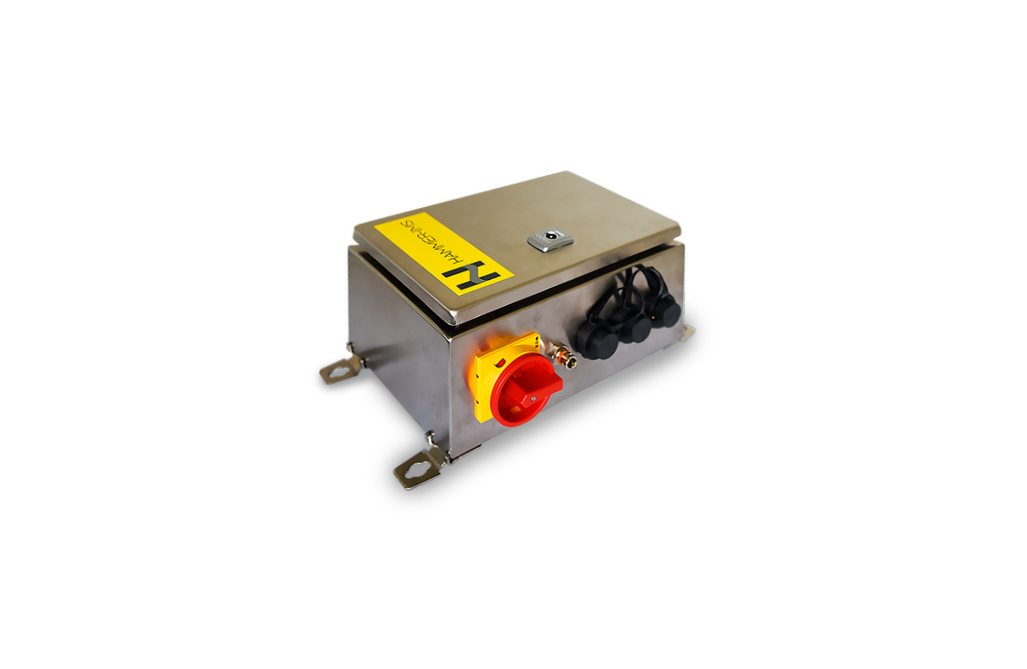
The applications below show where these systems deliver the most impact across different production environments.
1. Surface Defect Detection
Vision systems identify scratches, dents, fiber clumps, inclusions, voids, pits, and other surface irregularities in real time.
This helps teams detect drift earlier, prevent full-roll defects, and reduce downstream rework.
2. Coating Uniformity & Texture Analysis
Advanced imaging detects coating gaps, streaks, thin spots, orange peel, gloss variation, and surface roughness changes.
This supports more stable coating processes and helps minimize scrap caused by off-spec finishes.
3. Edge, Width & Geometry Checks
Inline edge tracking and dimensional measurement help keep products within width and geometry tolerances.
Operators receive early warnings when trimming, calendering, or extrusion starts drifting, reducing out-of-spec material.
4. Thickness, Basis-Weight & Dimensional Measurements
Paired with the right sensor technologies, vision modules can support combined measurement of thickness, basis-weight, and dimensional changes.
This enhances overall quality monitoring and helps stabilize yield in materials sensitive to line speed, temperature, or pressure variations.
5. Print & Label Verification
Systems monitor print clarity, registration, color variation, barcodes, and label placement. This reduces customer complaints and helps avoid rework related to misprints or misaligned labels.
6. Assembly Verification / Presence & Completeness Checks
For discrete or semi-discrete manufacturing, vision systems confirm that each component is present, aligned, and correctly assembled.
This provides a fast, consistent verification layer across every unit produced, supporting higher throughput and fewer manual inspections.
Hammer-IMS brings together advanced imaging, AI detection, and robust inline platforms to help manufacturers achieve more consistent, real-time quality control.
How Hammer-IMS Delivers Advanced Vision Inspection for Inline Quality Control
Hammer-IMS provides vision inspection platforms designed for real manufacturing environments: high speeds, wide webs, variable materials, and the tight tolerances plant teams manage every day. The goal is simple: give operators earlier visibility into defects and drift, support more stable processes, and reduce the workload associated with manual checks.
Here’s how Hammer-IMS supports inline quality control:
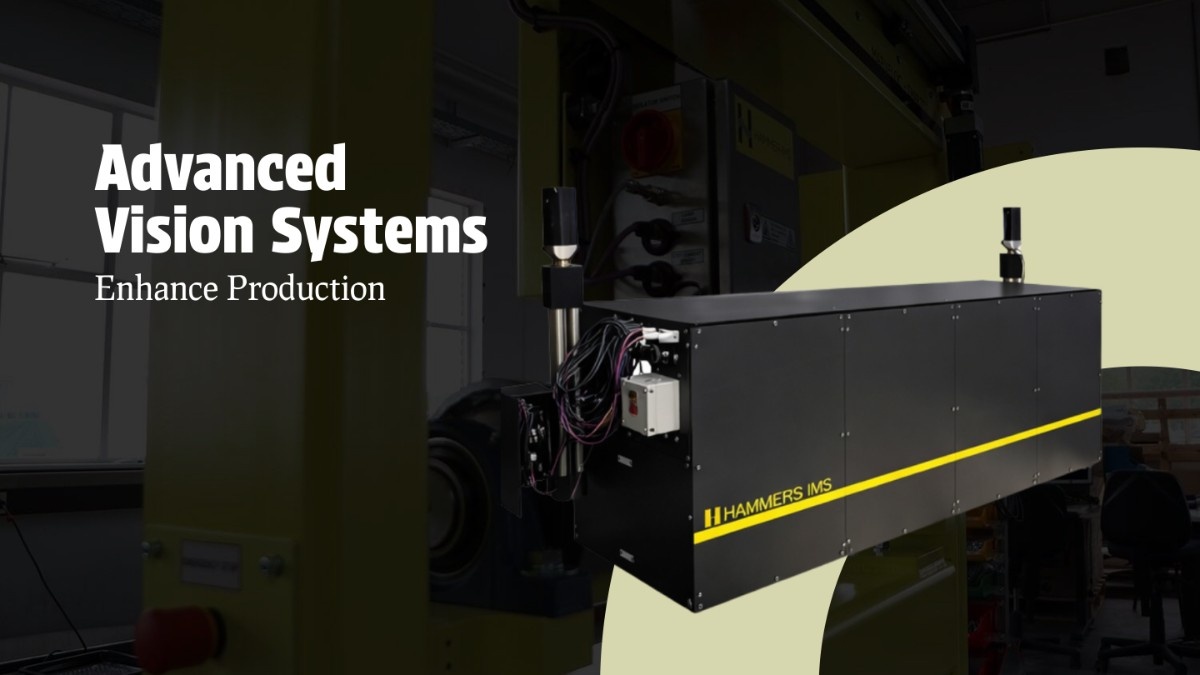
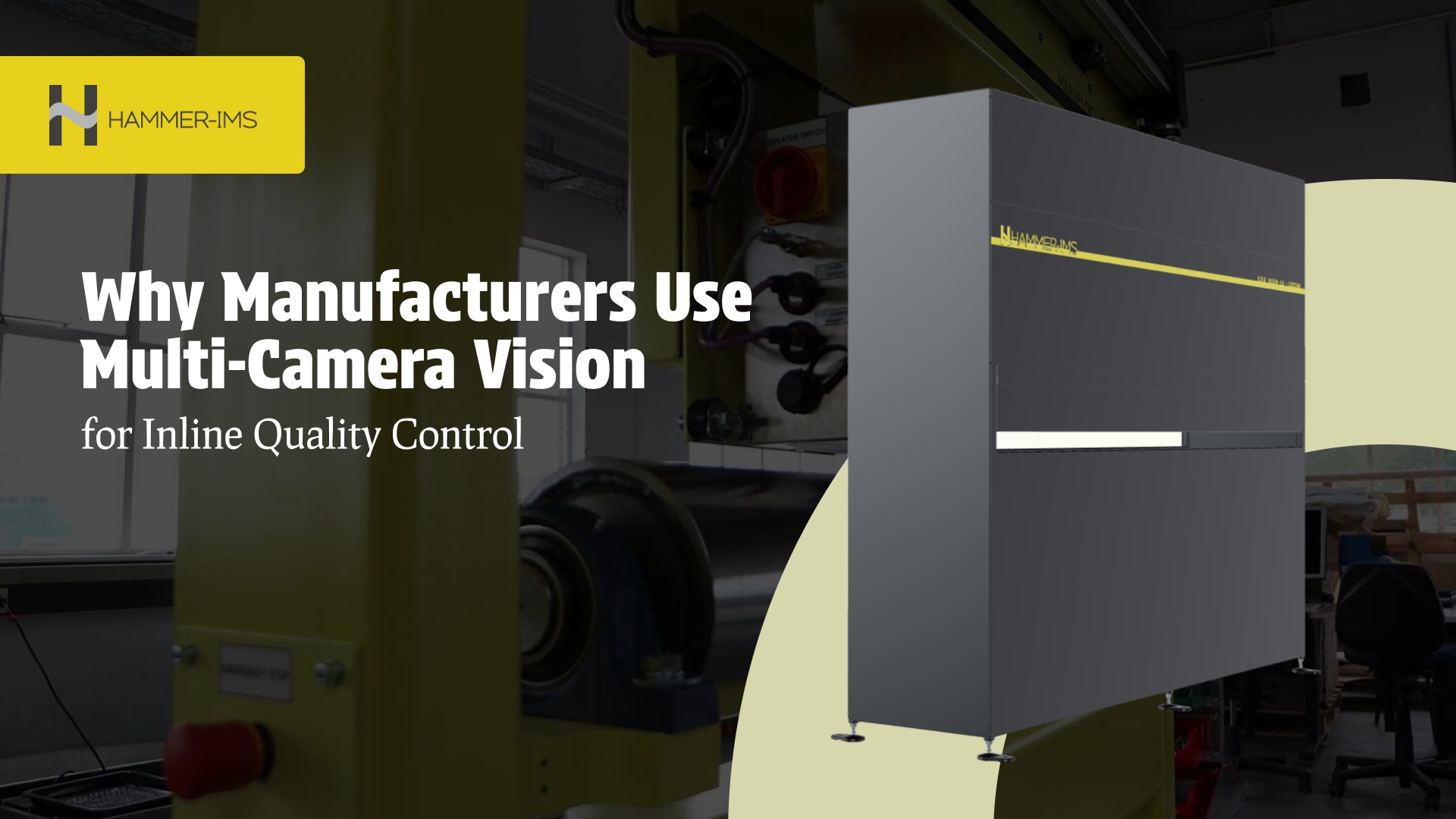
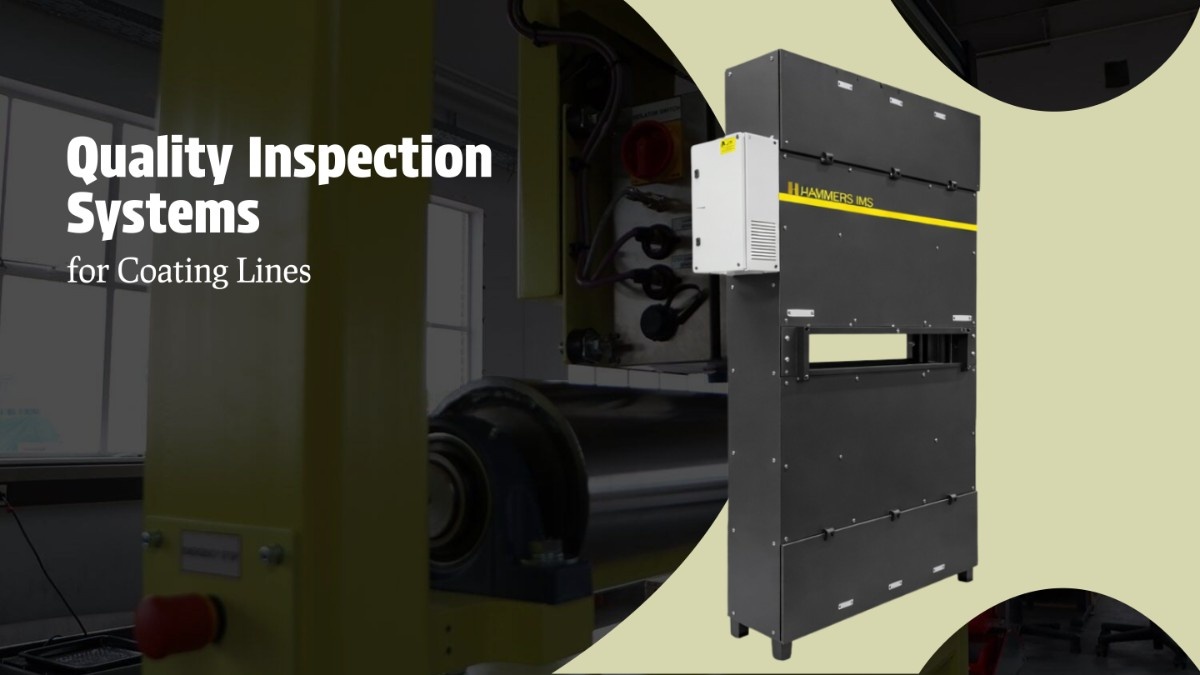
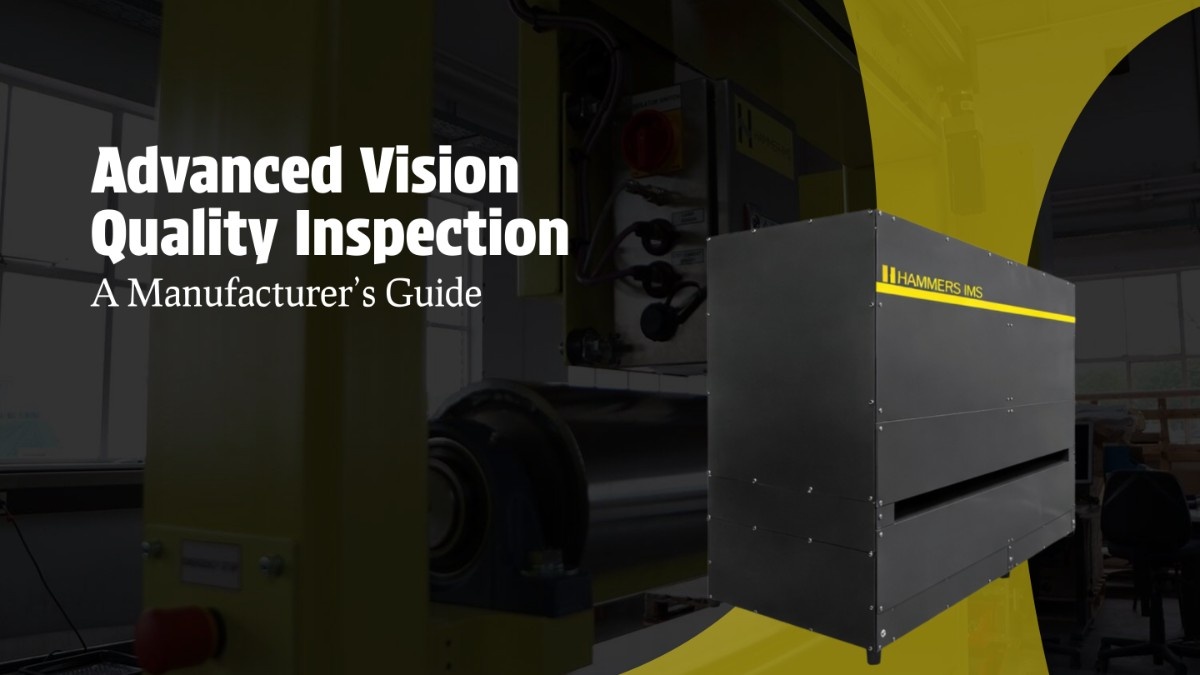
Edge-Vision-4.0 AI Inspection Platform: High-resolution imaging with AI-based defect detection for surface flaws, coating instability, edge deviations, and geometry changes.
Vision + Measurement Capabilities: Ability to pair visual inspection with non-nuclear M-Ray thickness and basis-weight measurement for a more complete quality view.
Inline-Ready Mechanical Platforms: C-frame and CURTAIN architectures built for continuous operation, stable at high speed, and easy to integrate into existing lines.
Designed for Challenging Materials: Effective on nonwovens, foams, mineral wool, XPS, coated materials, composites, and other substrates where conventional systems struggle.
Connectivity 3.0 Integration: Real-time dashboards, defect logs, operator alerts, and clean integration with PLC, MES, and SCADA systems.
Support for US Manufacturing Needs: A strong fit for industries prioritizing yield stability, scrap reduction, and documented inspection data.
See how advanced vision inspection can support your quality goals. Book a demo with Hammer-IMS to review your materials and line requirements.
Conclusion
As materials get lighter, coatings become more complex, and tolerances continue to tighten, manual checks and basic cameras can’t keep up. Manufacturers need advanced vision inspection systems that adapt to their process, handle challenging materials, and deliver real-time data operators can act on immediately.
If you’re evaluating how vision inspection fits into your line, or where it can help reduce scrap and support more consistent quality, reach out to us.
Our team can review your application, material, and production goals to determine the right approach for your operation.
FAQs
1. Can advanced vision inspection systems help when defects are inconsistent or difficult to reproduce?
Yes. These systems provide continuous monitoring, so even intermittent or rarely occurring issues are captured with images, timestamps, and context. This helps teams diagnose root causes that traditional sampling often misses.
2. How do advanced vision inspection systems handle product variations like color changes, pattern shifts, or natural texture differences?
Modern platforms use adaptive imaging and AI classification to distinguish normal variation from true defects. This reduces false alarms and ensures operators only intervene when necessary.
3. Will an advanced vision inspection system require dedicated staff to manage or maintain it?
Not typically. Once configured, most systems run automatically with routine cleaning and periodic calibration. Operators interact through simple dashboards, alerts, and predefined quality rules—no specialist needed day to day.
4. Can advanced vision inspection systems support traceability programs or customer documentation requirements?
Yes. They generate defect logs, images, and positional data that can be stored and exported for audits, customer claims, and continuous improvement programs. This helps reduce manual documentation workload.
5. What if my production line already uses multiple sensors? Can an advanced vision inspection system integrate without disruption?
Most platforms are designed to work alongside existing measurement tools. They can connect to PLCs, MES systems, and other sensors to enhance your current setup rather than replace it, providing an additional layer of real-time visual insight.