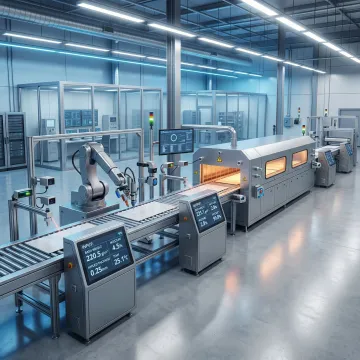
What makes automated process control systems essential for manufacturing optimization?
Automated process control systems provide real-time monitoring and adjustment of production parameters, enabling manufacturers to maintain consistent quality, reduce material waste, and maximize throughput. These systems continuously measure critical variables and make instantaneous corrections, eliminating human error and response delays that can compromise product quality or efficiency.
How does M-Ray technology differ from traditional X-Ray or nuclear-based measurement systems?
M-Ray technology uses millimeter wave electromagnetic waves—similar to those in cell phones—making it completely non-nuclear and non-radioactive. Unlike X-Ray or isotope-based systems, M-Ray requires no radiation licensing, poses no safety risks to operators, and enables continuous 24/7 production without special handling procedures. It delivers comparable accuracy while being cleaner, safer, and more cost-effective to maintain.
Can your process control systems integrate with our existing manufacturing equipment?
Yes, our systems are designed for seamless integration with existing production lines and control systems. Whether you're upgrading legacy equipment or installing new capabilities, our turnkey solutions include custom engineering to ensure compatibility with your specific machinery, control protocols, and data management systems. We support both new installations and retrofits to operational lines.
What types of materials and products can your measurement systems handle?
Our process control systems measure a wide range of materials including plastics (PE, PP, PMMA, PC), textiles, nonwovens, construction materials (MDF, OSB, plywood, mineral wool, gypsum board), paper products, and various composite materials. The systems handle thicknesses from thin films to materials several centimeters thick, with consistent performance across all colors and with filler materials.
How quickly can automated process control systems be installed without disrupting production?
Installation timelines vary based on system complexity and production line configuration, but our turnkey approach minimizes disruption. Most installations are completed during scheduled maintenance windows or staged to maintain partial production. Our experienced teams work efficiently to integrate sensors, configure software, and validate performance—typically completing projects within days to weeks depending on scope.
What kind of ROI can we expect from implementing automated process control?
Manufacturers typically see rapid ROI through multiple benefits: reduced material waste (often 3-5% savings on raw materials), decreased production of out-of-spec product, increased throughput from optimized processes, reduced labor costs for manual quality checks, and improved customer satisfaction from consistent quality. Many clients report payback periods of 12-24 months depending on production volume and current waste levels.
Do you provide remote monitoring and support for installed systems?
Yes, our Industry 4.0 IoT app enables complete remote monitoring of all Hammer-IMS measurement machines. You can access real-time production data, analyze quality trends, and monitor system performance from any mobile device. Our Connectivity 3.0 software also allows our technical team to provide remote diagnostics, software updates, and support—minimizing downtime and ensuring optimal system performance.
What training and ongoing support do you provide after installation?
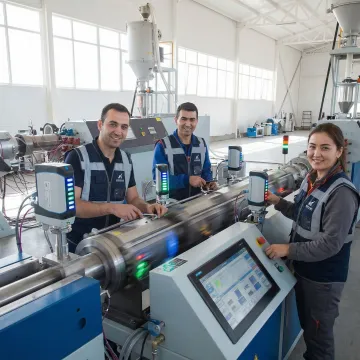
We provide comprehensive training for operators, maintenance personnel, and engineers covering system operation, data interpretation, troubleshooting, and preventive maintenance. Training includes hands-on sessions with your actual equipment and detailed documentation. Ongoing support includes remote monitoring access, software updates, technical consultation, and available service contracts for preventive maintenance and optimization services to ensure long-term performance.